
Where I stand
Community first
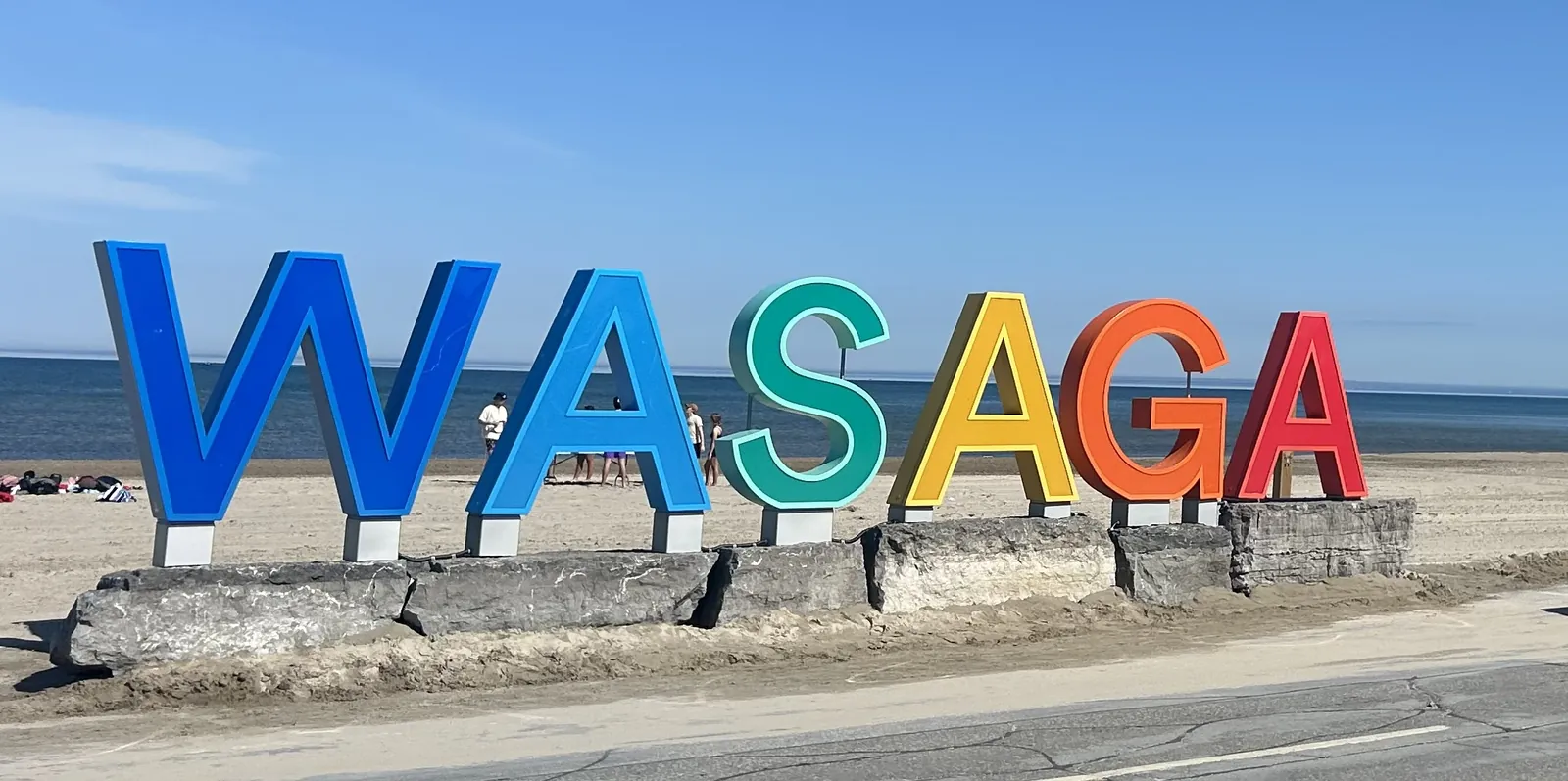
Be accessible, listen to residents before major decisions, and support the community groups and volunteers that make Wasaga stronger.
The default mode of municipal government is reactive. Whoever shows up at the meeting with the loudest voice and the most prepared materials usually wins. That's typically a developer with a planner on retainer, a consultant from out of town, or a special-interest group with a budget for council relations.
Residents have day jobs. Residents have kids in hockey. Residents don't always know a meeting is happening, or what's on the agenda when it is. The system tilts toward the people who can afford to pay attention, and that's the system I want to push back against.
What I'll push for at council
- Regular office hours. Once a month, somewhere accessible (not just town hall during business hours). Walk in. No appointment needed. Bring your concern, your idea, your complaint, your question about the development going up next door. I'll be there. If staff need to be in the loop, I'll loop them in afterwards.
- Real consultation before changes, not after. When the town is considering a zoning change, a major capital project, a new bylaw, consultation should be meaningful. Public meetings at times residents can actually attend. Online options for people who can't make it. Comments that get summarized and addressed in the council package, not just filed.
- A neighbourhood approach. Wasaga Beach isn't one place. It's a beach core, a residential network, a Highway 92 corridor, and a series of communities with different needs. Council should think about decisions through that lens, what does this look like in the neighbourhoods, not just on a town-wide map?
- Support for community-run initiatives. The food bank, the community garden, the volunteer fire response, the coaches who run kids' programs out of pocket. These groups do work the town benefits from but doesn't directly pay for. A council that says "community first" should make it easier for community organizations to do their work, with grants where it makes sense, with permits that move quickly, with meeting space, with a councillor who returns the call and does their best to promote the events before not after.
Decisions get better when the people affected are in the room. Community-first isn't a value statement on a campaign sign, it's a way of running the council meeting. I'll bring that approach if you send me there.
Related
- Your town hall — the transparency mechanics that make community-first decision-making possible.
- Housing that fits — the consultation pattern applied to the most contested file.